
Edelstahl
Edelstahl-Coils
Kaltgewalzt 2B / BA und warmgewalzt No.1 in 304 / 316L / 430 / 201 – 0,3–12 mm, Coilgewicht bis 20 t.
0,3–12 mmDicke
≤ 1500 mmBreite
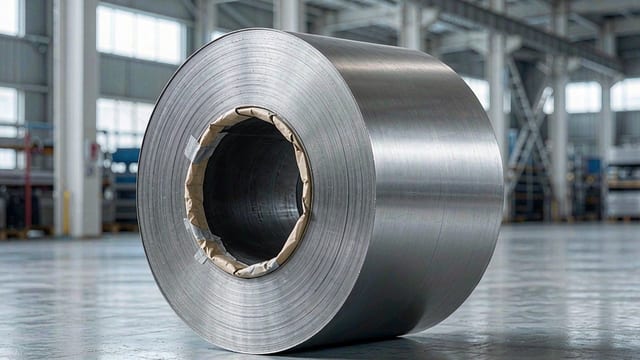
304 kaltgewalzter Edelstahlcoil 2B
Codess-cr-304-2b
Mehr erfahren
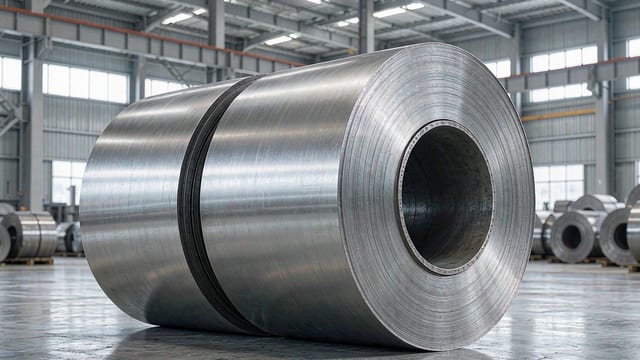
316L kaltgewalzter Edelstahlcoil 2B
Codess-cr-316l-2b
Mehr erfahren
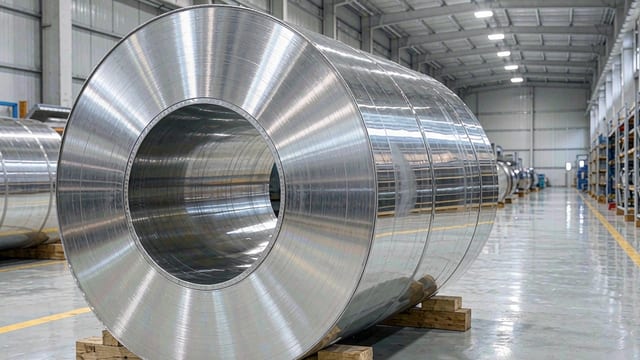
430 kaltgewalzter Edelstahlcoil BA
Codess-cr-430-ba
Mehr erfahren
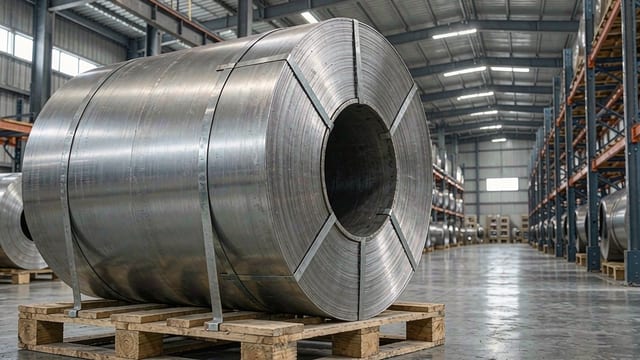
201 kaltgewalzter Edelstahlcoil 2B
Codess-cr-201-2b
Mehr erfahren
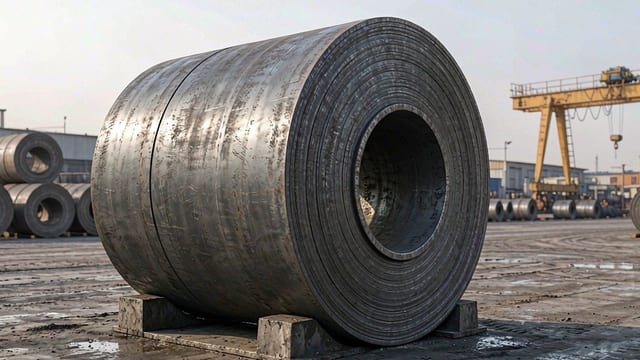
304 warmgewalzter Edelstahlcoil No.1
Codess-hr-304-no1
Mehr erfahren
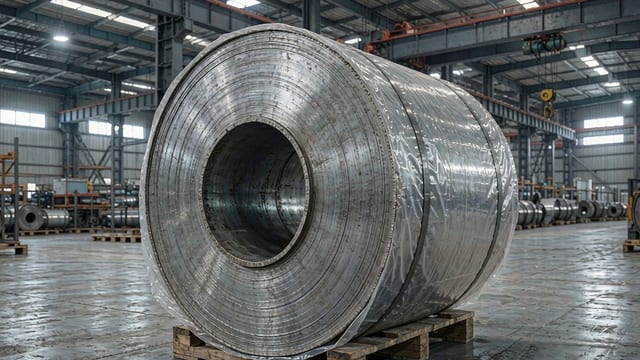
316L warmgewalzter Edelstahlcoil No.1
Codess-hr-316l-no1
Mehr erfahren
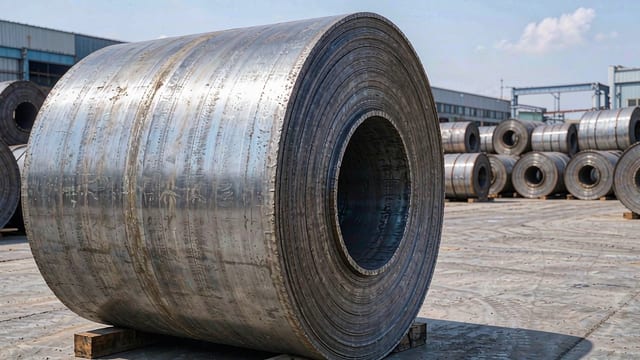
2205 Duplex warmgewalzter Coil
Codess-hr-2205-no1
Mehr erfahren
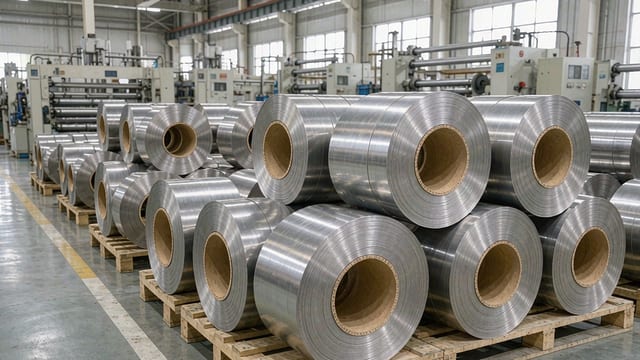
304 Edelstahl-Spaltband
Codess-slit-304
Mehr erfahren
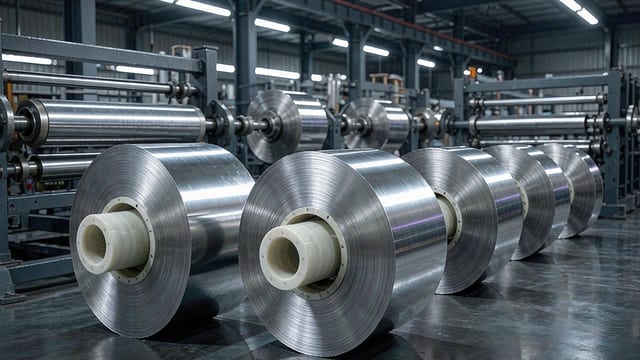
430 Edelstahl-Präzisionsband
Codess-slit-430
Mehr erfahren
Verfügbare Spezifikation
| Werkstoffgüten | Dicke | Breite / Durchmesser | Norm |
|---|---|---|---|
| 304 · 316L · 430 · 201 | 0,3–12 mm | ≤ 1500 mm | ASTM A240 / EN 10088-2 |
Die genannten Bereiche sind Standardverfügbarkeit; abweichende Abmessungen fertigen wir auf Bestellung. Die Dicke ist Nenndicke – die Toleranz wird nach ASTM A480 / EN 10088-2 beurteilt.
Typische Anwendungen
- Durchlaufendes Stanzen und Rollprofilieren
- Längsteilen zu schmalem Band
- Abhaspeln zu quergeschnittenem Blech
Lieferung und Prüfung
- Innendurchmesser 508 mm / 610 mm, Coilgewicht 3–20 t
- Papier oder Folie zwischengelegt, liegend oder stehend verpackt
- Dickenschwankung innerhalb eines Coils auf 0,03 mm auf Anfrage
Angebot oder technische Unterstützung benötigt?
Senden Sie Werkstoffgüte, Abmessung, Menge und Zielhafen – wir antworten innerhalb von 24 Stunden mit FOB- / CIF-Preis.
Typical applications
Below is where this material actually ends up — the specific parts, not just the industry. Compare it with your own service conditions, or send us the environment and we will advise.
- Kitchen equipment — sinks, hob panels, range hood shells, commercial fridge liners
- Home appliances — washing machine drums and panels, microwave cavities, steriliser racks
- Architecture — elevator door frames and car panels, façade trims, balustrades, handles
- Food and pharma — filling line tables, tank liners, cleanroom wall panels
- Consumer goods — vacuum flasks, cookware, cutlery, bathroom fittings
Selection FAQ
- Should a kitchen sink be 304 or 316 stainless?
- 304 is enough for domestic use. For coastal areas, or where salt and detergent sit on the surface, 316L lowers the pitting risk.
- What is the difference between 2B and BA finish?
- 2B is cold rolled, annealed, pickled and skin-passed — a matte silver-grey. BA is bright annealed: more reflective, closer to mirror, slightly higher cost.
- Does stainless steel rust?
- "Stainless" is relative to carbon steel. Chlorides (salt, bleach) and scratched surfaces are the main triggers; in coastal or chemical environments upgrade 304 to 316L.
Not sure which grade fits? Use the grade selector